
Case Study - Wondr Health
How Wondr Health Enabled an Entire Team to Work on More Interesting Problems


COMPANY
Wondr Health is a healthcare platform focused on behavior-based weight management and lifestyle improvement programs
INDUSTRY
Wellness ($62 Million)
COMPANY SIZE
51–200
FOUNDED
2007
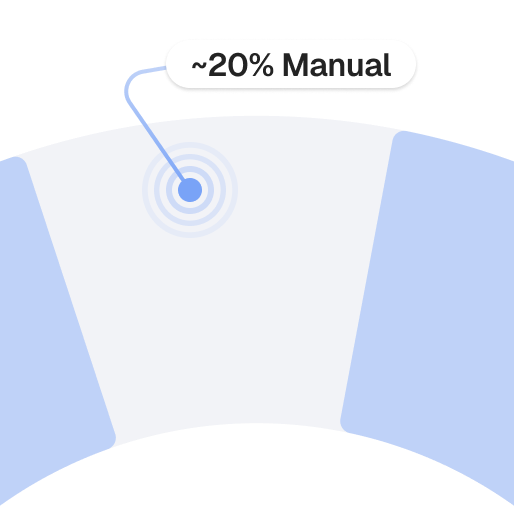
80%

Automation coverage,
increased from 30% previously.
30m
Testing time,
reduced from a previous 3 day commitment.
5x

More higher-value tasks
being worked on by the team.
The Problem
Regression testing took three days and the whole team had to stop what they were doing.
Wondr Health is a healthcare platform, behaviour-based weight management programs for people trying to make real, lasting changes to their health. The product has to work. For their users, it's not entertainment or convenience, it's something they're relying on.
But QA at Wondr Health was struggling under the weight of legacy infrastructure. Automation was slow to build and painful to maintain, often requiring engineers to modify older code just to support a new test. That created a constant tension between QA and development teams, where every testing need competed with product work for engineering time.
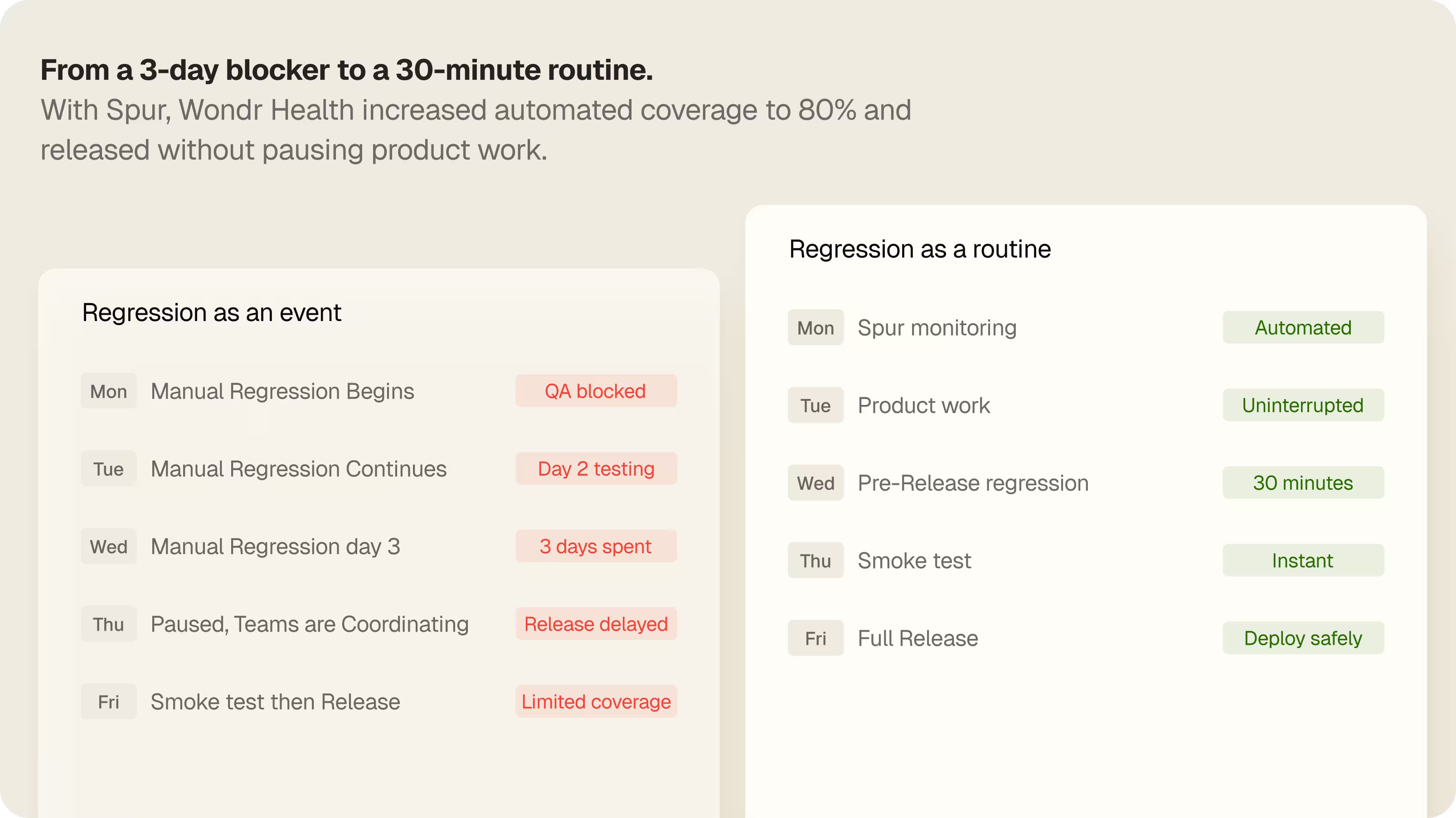
When regression testing did happen, it meant calling a pause on everything else. Teams would coordinate across functions, block off time, and spend up to three days manually working through test cases. And even then, smoke tests weren't reliably run on every release. Regression was treated as a disruptive event rather than a routine part of shipping.
With only about 30% of tests automated, the team was covering the minimum and hoping it held. The gap between what they were testing and what they should have been testing was wide, and everyone knew it.
"The time saved is insane. What takes Spur about 30 minutes would have taken us half a day."
The Solution
30 minutes right before every release and need to ask engineering anymore.
Wondr Health implemented Spur to solve the engineering dependency problem first, the ability to build and run tests without needing developers to modify legacy code for each new flow. Once that friction was gone, coverage expanded quickly.
The team moved from roughly 30% automation to 75–80% across key frontend areas in a repeatable, sustainable way. Not a sprint to hit a number, a shift in how the team worked. Regression is now run before every release, with monitoring earlier in the week and a consistent deployment cadence that didn't exist before.
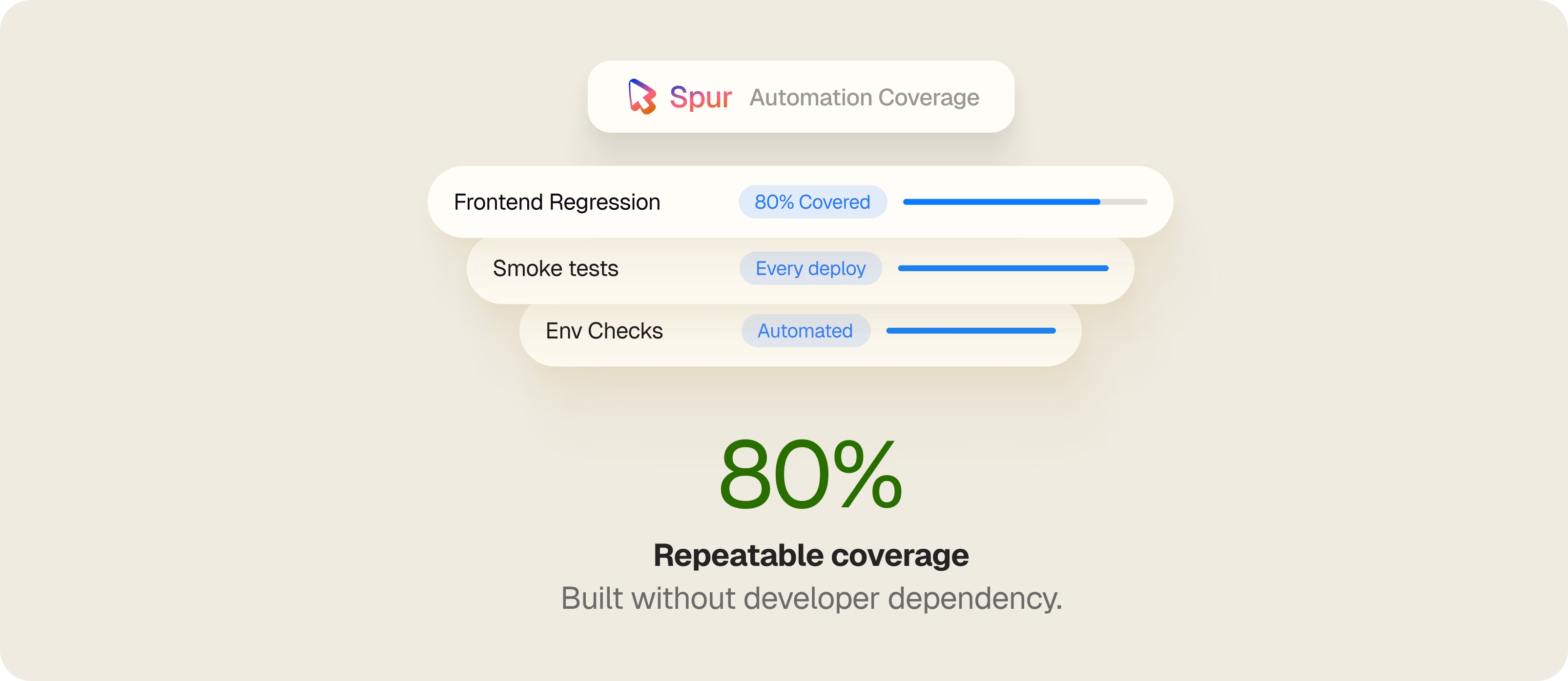
What changed wasn't just speed, it was predictability. QA became a system rather than an event. The team knows what runs, when it runs, and what it covers. That baseline confidence is what enables everything else.
Beyond regression, Spur started surfacing issues that were previously invisible, environment misconfigurations, DevOps gaps, problems that weren't feature-level bugs but infrastructure-level risks. Catching those earlier in the process, before they reach deployment, is where the real reduction in risk happens.
The Shift
No one was let go and people got to work on more interesting problems.
This is the line that matters most for Wondr Health's story. The QA team shifted from repetitive execution to strategic work, but Katherine is explicit that this didn't come at the cost of anyone's job. Spur removed the drudgery, not the people.
What the team works on now:
- Expanding QA support across more teams and systems
- Performance testing initiatives that previously couldn't be prioritised
- Validating entitlement and access workflows
- Extending testing into marketing systems, verifying that the right user communications are going to the right people
- Building backend checks, including validating data flows into AWS
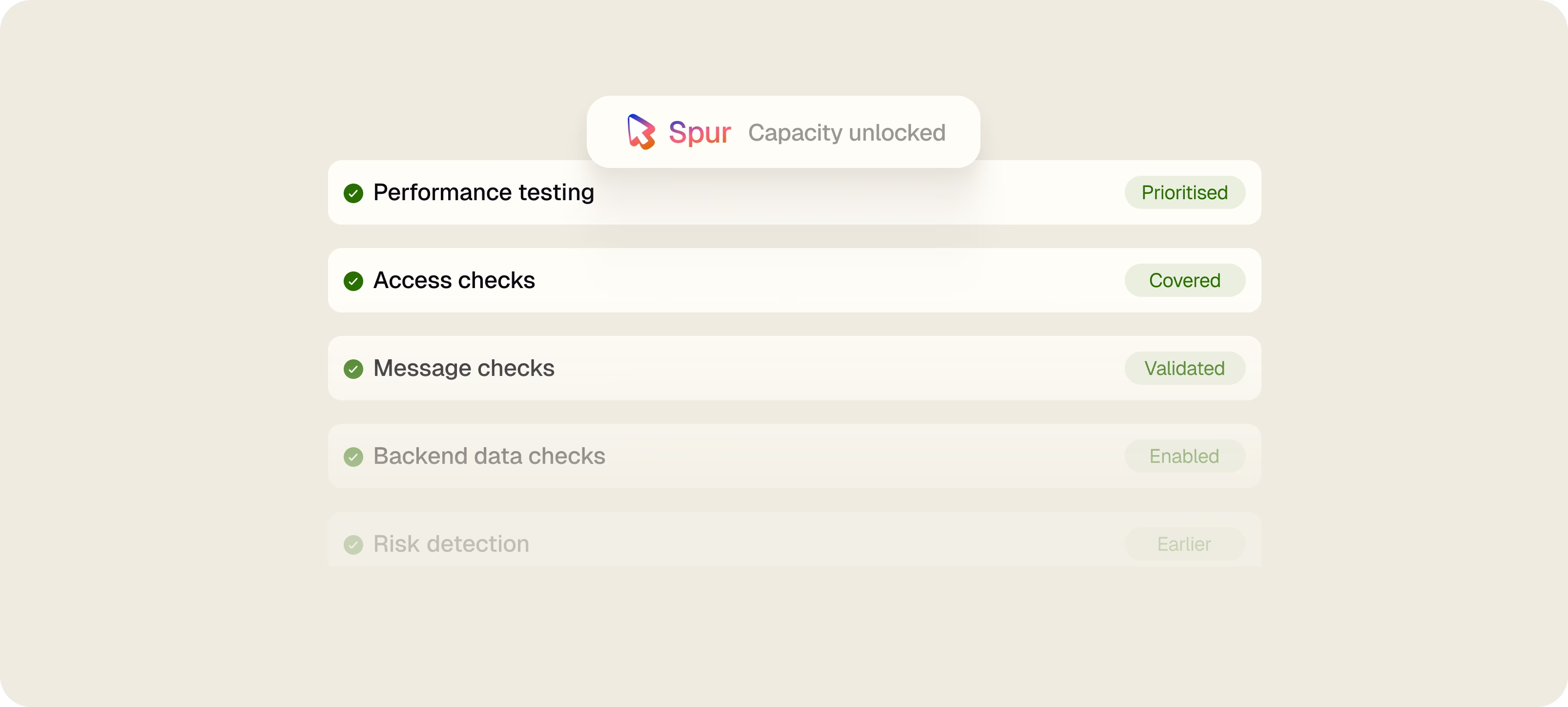
Work that was perpetually deferred because regression took three days is now a core part of the team's strategy. That's what happens when the bottleneck disappears.
The AI Angle
Spur became the proof that AI could make jobs better, not replace them.
There was internal uncertainty about AI at Wondr Health, not unique to them, but real. Spur became the concrete example that shifted the conversation.
The argument that AI eliminates roles is hard to make when the QA team is visibly doing more interesting work than they were before, without anyone having been let go. Spur reduced repetitive work and created capacity. That's a different story from displacement, and Katherine's team lived it.
"It made people's jobs easier. No one was let go, and it created space to work on more interesting problems."
That perception shift matters beyond QA. When one team demonstrates that AI tools can increase capacity without reducing headcount, it changes how the rest of the organisation thinks about adopting them.
What's Next
Earlier, faster, and event-driven. The next phase is testing before bugs have a chance to compound.
Katherine's vision for where Wondr Health is headed is specific: deeper end-to-end coverage across the full user journey, moving from scheduled test runs to event-driven automation, tests that fire in response to changes rather than on a calendar, and pushing testing earlier into feature development.
"If we can move this earlier and catch issues sooner, that's where the real impact is."
The foundation for that is already in place. 80% coverage, a predictable release workflow, a team that's no longer drowning in regression. The next step is going from fast to proactive.
80%
Automation coverage
30m
Testing time
5x
More higher-value tasks being worked on




Key Insights
Wondr Health, QA was a three-day event that paused everything else. Now it's a 30-minute routine that runs before every release. That's not just a time saving, it's a fundamentally different relationship between the QA team and the rest of the organisation. One where QA is a system, not a disruption.